Features
How a 1983 film scared Reagan into America's first cybersecurity order
Reagan watched WarGames at Camp David, asked his generals if it could happen, and fifteen months later signed NSDD-145.
24 October 2026
Ask AI about this story
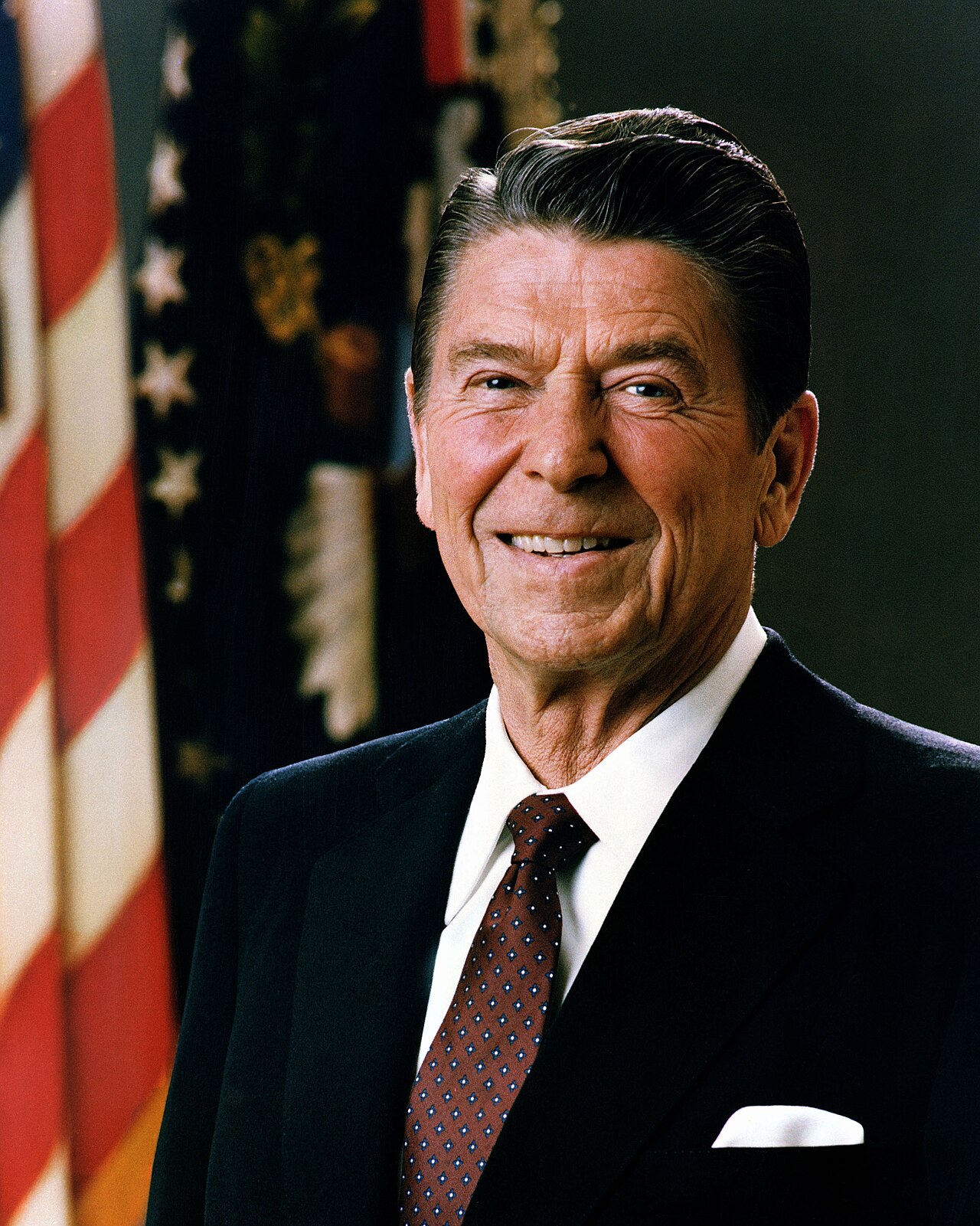
On 4 June 1983, at Camp David, Ronald Reagan watched WarGames: a teenager with a home computer and a modem dials into a military system and nearly starts a nuclear war while thinking he is playing a game.
"Could something like this really happen?"
Four days later, on 8 June, at a White House meeting with senior officials and members of Congress, Reagan described the plot and asked the Chairman of the Joint Chiefs of Staff, General John Vessey, whether it could really happen. Vessey went away to find out. About a week later he came back with an answer that has been quoted ever since: "Mr. President, the problem is much worse than you think." The account is set out in Fred Kaplan's history of cyber conflict, Dark Territory.
The order that followed
On 17 September 1984, fifteen months after that screening, Reagan signed National Security Decision Directive 145, "National Policy on Telecommunications and Automated Information Systems Security". It is widely described as the first US presidential directive on computer security. It set up a national structure for protecting government systems and made the Director of the National Security Agency its national manager, which made it controversial with privacy advocates at the time.
Why it still matters
The film got the details wrong and the core right: networks connect systems that were never designed to be reached from outside, and the weakest link is usually a person or a forgotten connection. Every security policy since has been arguing with the same idea.
Read the directive
The declassified text of NSDD-145 is public. The Federation of American Scientists keeps the full text online.