Features
The Matrix code came from a cookbook, and four more films hid stories in their screens
The falling green code in The Matrix was built from characters scanned out of Japanese cookbooks. The popular "it's sushi" version is less certain.
24 October 2026
Ask AI about this story
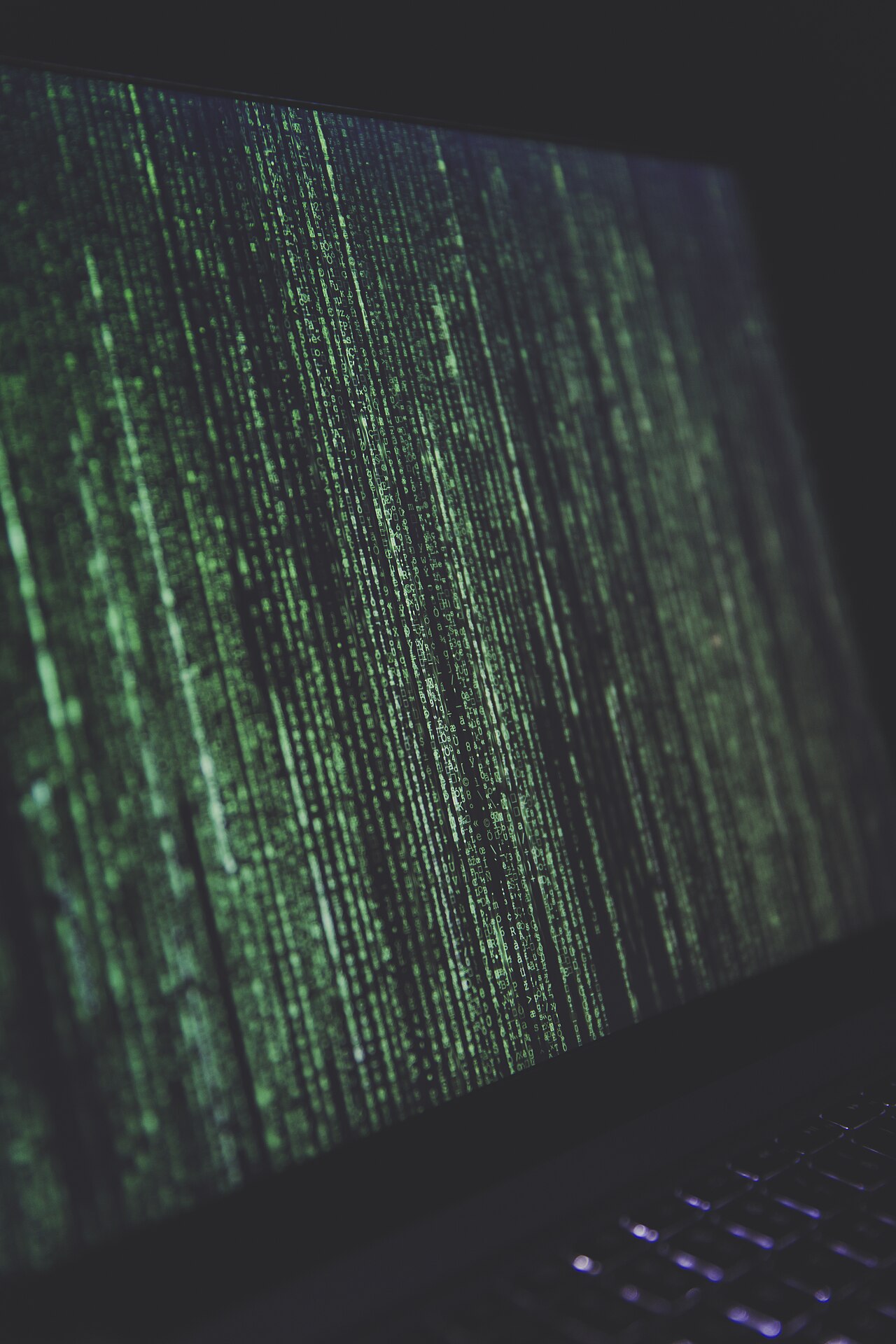
The falling green characters in The Matrix (1999) are one of the most copied images in film. They are also, by the account of the man who designed them, a cookbook.
Where the code came from
Simon Whiteley, the production designer behind the effect, said in a 2017 interview that he built it from characters scanned out of his wife's Japanese cookbooks. The characters were mirrored and mixed with numbers, then made to fall down the screen. So when Neo stares at the code and reads the world in it, he is looking at pages from a cookbook.
The story is usually retold as "the Matrix code is sushi recipes". That is a step further than the evidence goes: the characters are scrambled and mirrored, fact-checkers who looked for sushi terms in them did not find any, and Snopes rates the sushi version as uncertain. The cookbook origin is Whiteley's own account; the sushi is the internet's.
Why it works anyway
Nobody in the audience is meant to read the code. Its job is to look systematic and unfamiliar. Mirrored kana and digits do that better than real program text would, because real code is visibly English and would break the illusion for anyone who writes software.
Other screens with stories behind them
- Jurassic Park (1993): the "It's a Unix system" scene shows FSN, a real 3D file browser from Silicon Graphics that ran on the studio's own machines.
- WarGames (1983): the film worried President Reagan enough that it fed directly into the first US national policy on computer security in 1984.
- Silicon Valley (TV): the "Weissman score" for compression was invented for the show with help from Stanford's Tsachy Weissman.
- Minority Report (2002): the gesture interface was designed with MIT scientist John Underkoffler, who later built working versions of it.
The best film screens are written by people who know what real systems look like, then bent just far enough to read well from a cinema seat.