Features
When a Side Project Starts Paying for Itself
Hosting costs, the break-even point, and what changes once money is involved.
8 October 2026
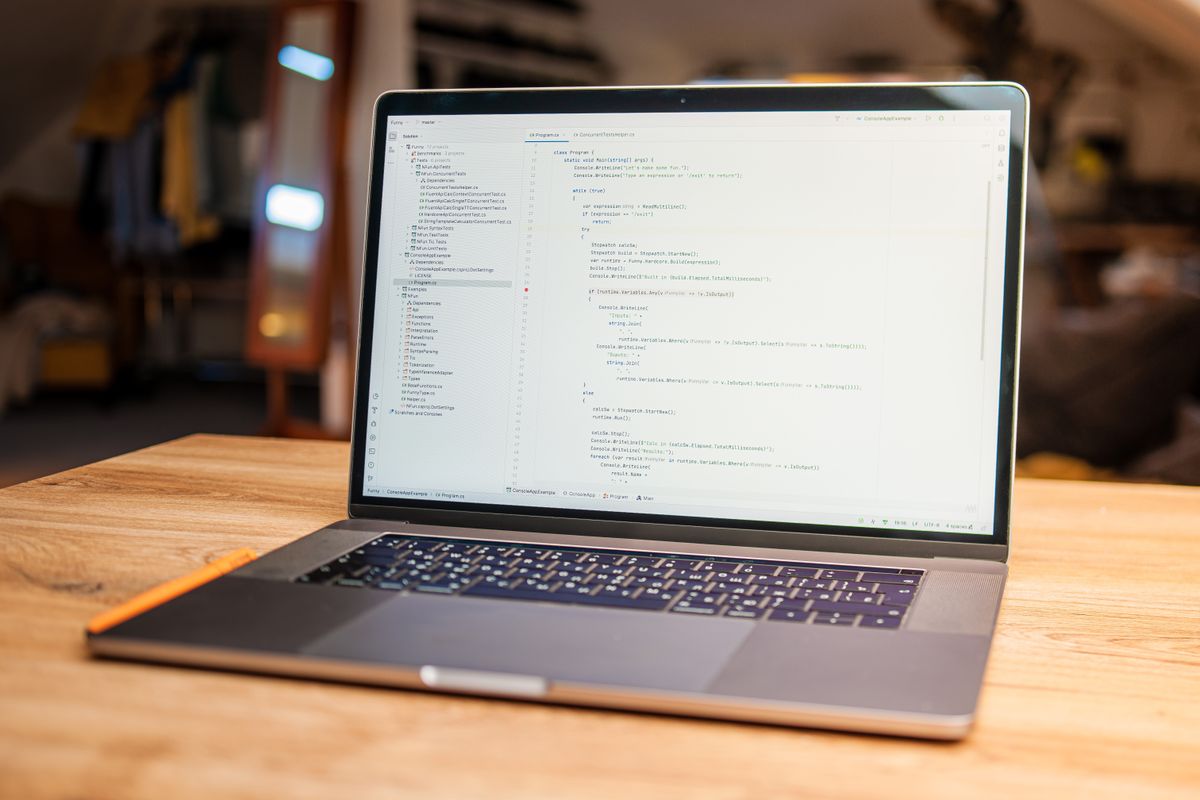
The single box that holds it all
Side project revenue hosting cost is the exact moment a hobby stops being free. You pay for the server, you pay for the domain, and you pay for the API calls. Once that bill arrives, the project is no longer a weekend experiment. It is a business line item. The mental shift is immediate and permanent. You stop asking if the code works and start asking if the margin covers the infrastructure. The cost of failure rises from zero to the price of the VPS.
How the stack actually runs
The entire operation sits on one Virtual Private Server with 12GB of RAM and 193GB of disk space. It is a tight fit, but it works because the workloads are distinct. A single Next.js process serves four sites by host-based routing: pracandy.com, flix.pracandy.com, walls.pracandy.com, and the admin panel. Instalaz runs as its own separate Node process on port 3050, proxied by Caddy. GamingCap and Invoiceful are static builds served straight from disk by Caddy. They have no server process and no database. There is one PostgreSQL 16 database shared by the Next.js app and Instalaz. Caddy terminates TLS for every site and obtains certificates from Let's Encrypt automatically. Scheduled work runs as systemd oneshot services with timers, not cron. DNS is at Spaceship, not Cloudflare.
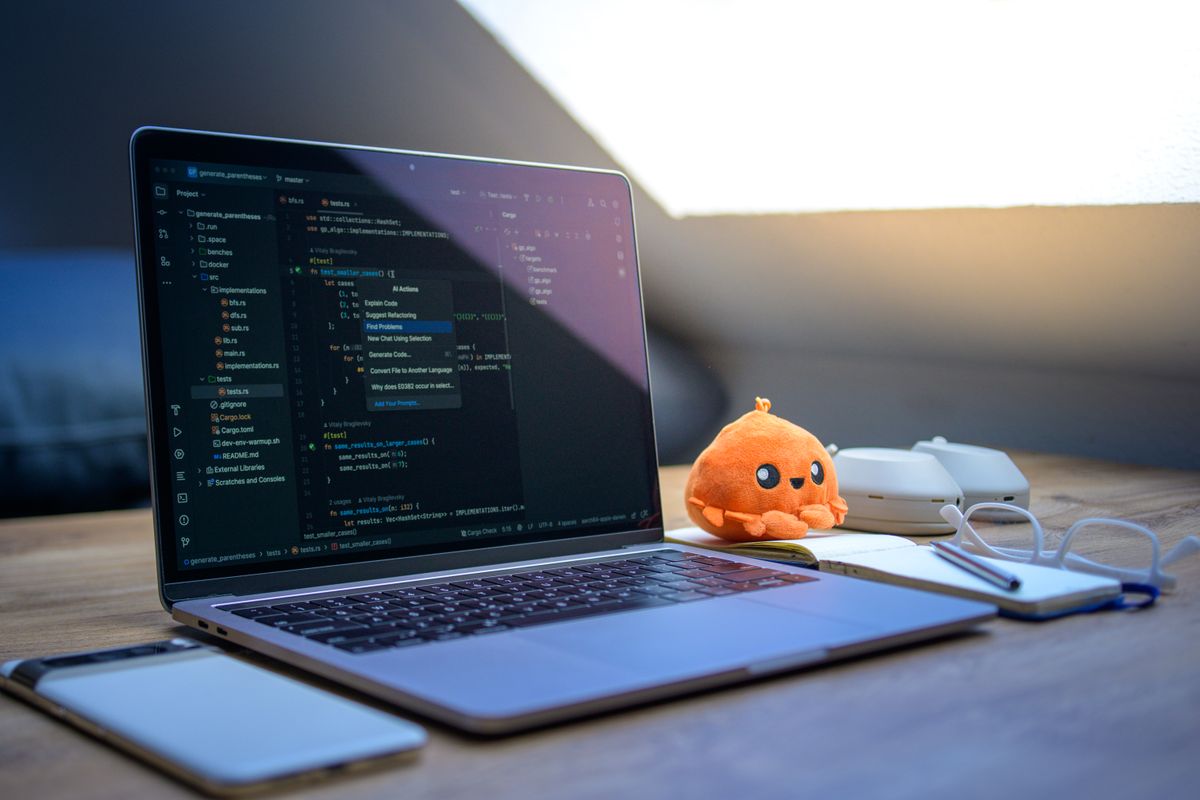
Processes competing for memory
When money is involved, efficiency becomes a financial metric, not just a technical one. Processes on one box compete for memory. If the Next.js app spikes during a traffic surge, it can starve the Instalaz worker. The 12GB of RAM is a hard limit. You cannot simply add more. You must optimize. The static nature of GamingCap and Invoiceful helps here. They consume almost no resources. They are just files on a disk. The heavy lifting is done by the database and the Node processes. The break-even point is not a single number. It is the threshold where the subscription fees from GamingCap and other paid services cover the VPS bill, the domain registration, and the API costs. Once you cross that line, every additional user is pure profit. Before that line, every user is a cost.
What changes when the bill arrives
The first change is attention. You monitor the server not out of curiosity, but out of fear. A disk full is not a bug. It is a loss. A database lock is not an inconvenience. It is a missed payment. The second change is discipline. You stop adding features that do not pay for themselves. You stop experimenting with new tech stacks that increase complexity. You keep the system simple. You keep the costs low. The third change is ownership. You are no longer a developer. You are a business owner. The code is an asset. The server is a liability. The revenue is the lifeblood. The side project has become a product. The hobby has become a business. The line is drawn not by the code, but by the invoice. And once that invoice is paid, the project is real. It is not a toy. It is a tool. And tools must be maintained. Tools must be profitable. Tools must survive. The break-even point is the start of that survival. It is the moment the project stops being a cost and starts being an investment. It is the moment the side project starts paying for itself. And that is the only metric that matters. Not the stars. Not the likes. Not the downloads. The invoice. The bill. The profit. The survival. The reality.