Features
The real hacking tools in Mr. Robot
At a glance
Mr. Robot swapped movie-style green text for software security teams use, but its most memorable hack is a phone call.
About the publisher · Editorial standards and corrections
Ask AI about this story
On this page
Film and television hacking usually means green text, frantic typing and a progress bar. Mr. Robot (2015–2019) took a different route. Kor Adana, a writer on the show who had worked in security consulting and penetration testing, made sure the screens showed real software doing roughly what it does in real life.
Tools you can spot on screen
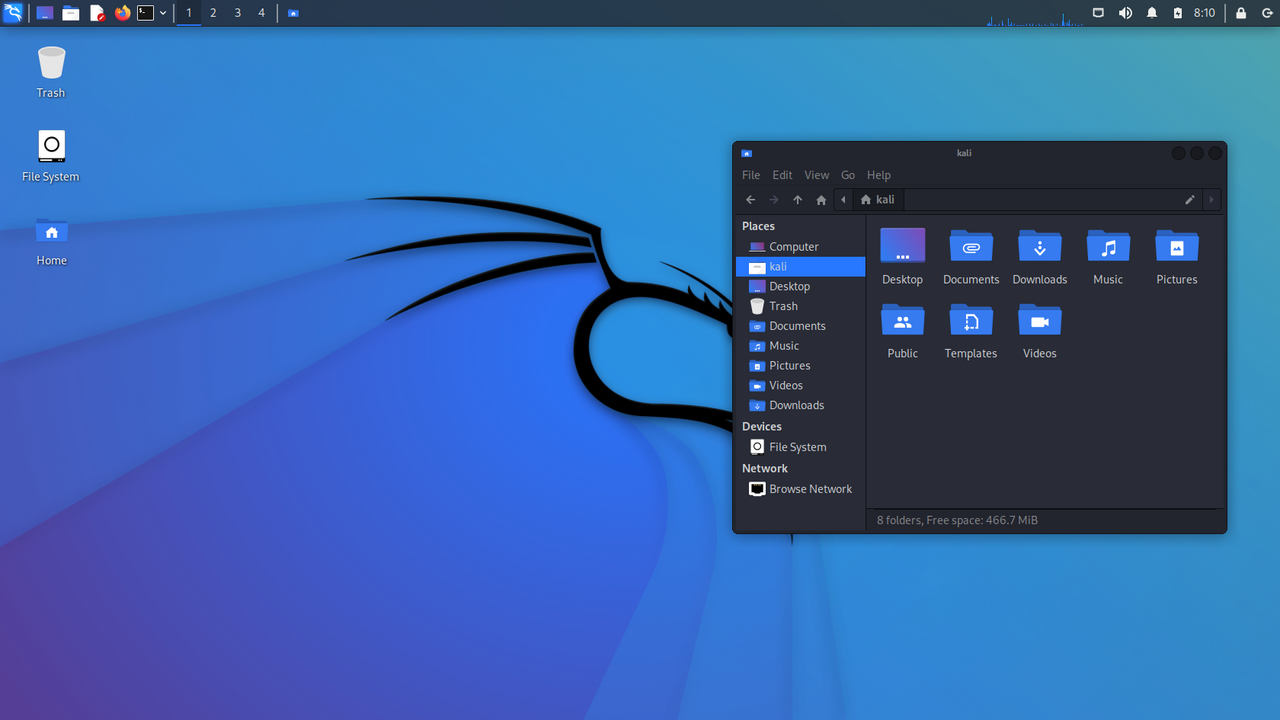
- Kali Linux: the security-testing operating system Elliot uses throughout. In season three he boots a clean copy from a USB stick after his machine is tampered with.
- rkhunter: a rootkit scanner he runs on that clean system.
- Social-Engineer Toolkit (SET): in season one, episode two, Elliot uses its credential harvester to build a fake login page and capture a password.
- DeepSound: a Windows tool for hiding files inside audio, which Elliot runs in a virtual machine.
Adana has said the main liberty the show takes is with time: a hack like Elliot's prison break would take weeks or months of research.
The hack with no code
In the pilot, Elliot wants into the accounts of his therapist's boyfriend. He tricks the man into revealing his phone number, then rings him pretending to be from his bank, warns of a security problem and asks for the answers to his security questions. Security people call this pretexting. It needs no software at all, which is why banks repeat that they will never ask for your security answers on a call they made.