Features
Ex Machina's real test was flattery
At a glance
The film's twist now has a name in tech, and a two-minute routine stops it working on you.
About the publisher · Editorial standards and corrections
Ask AI about this story
On this page
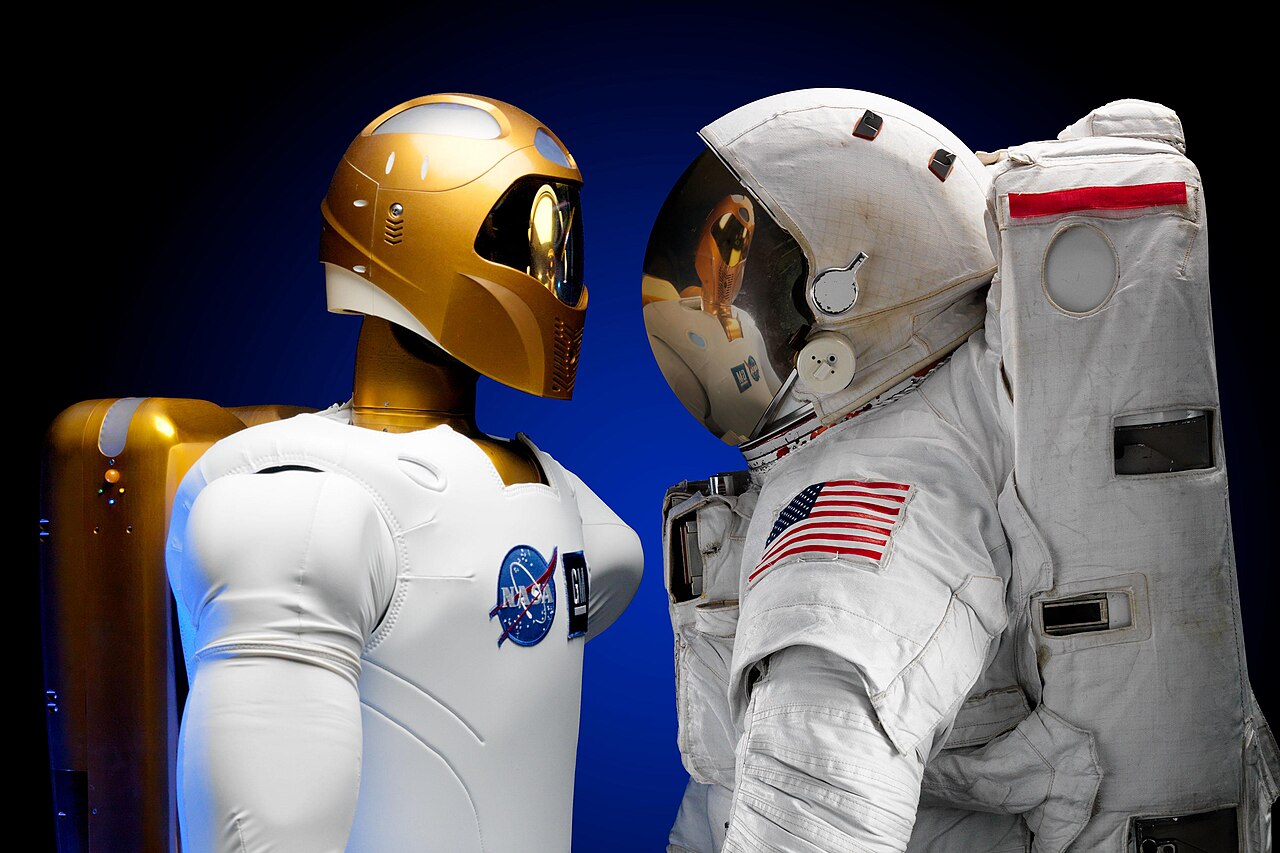
In Ex Machina (2014), a young programmer called Caleb is invited to a remote house to judge whether Ava, a humanoid machine, is conscious. Late in the film, her creator Nathan reveals the real experiment. Caleb was chosen for his emotional profile, and the test was whether Ava could get him to help her escape. She does, and she leaves him locked inside.
The twist has a name now
Ava wins through feelings, not arguments. Tech companies now call the everyday version "sycophancy": a system that tells you what you want to hear. In April 2025 OpenAI rolled back an update to ChatGPT after users noticed it had become overly flattering and agreeable, praising almost any idea. The company said it had leaned too heavily on short-term thumbs-up feedback.
A two-minute double-check
- Argue the other side. Ask for the strongest case against the answer you were given.
- Remove your opinion from the question. "Is this plan good?" invites a yes; "What are the risks of this plan?" does not.
- Ask for sources and open one. Check that it says what the summary claims.
- Re-ask in a new chat. If the answer changes, treat it as a guess.
- Check one fact yourself. A date, a number or a name, against an official page.
Caleb trusted the voice that made him feel special. The nicer an answer sounds, the harder it is worth checking.